Corporate Events
Corporate Event Planning in Dubai: A Practical Checklist
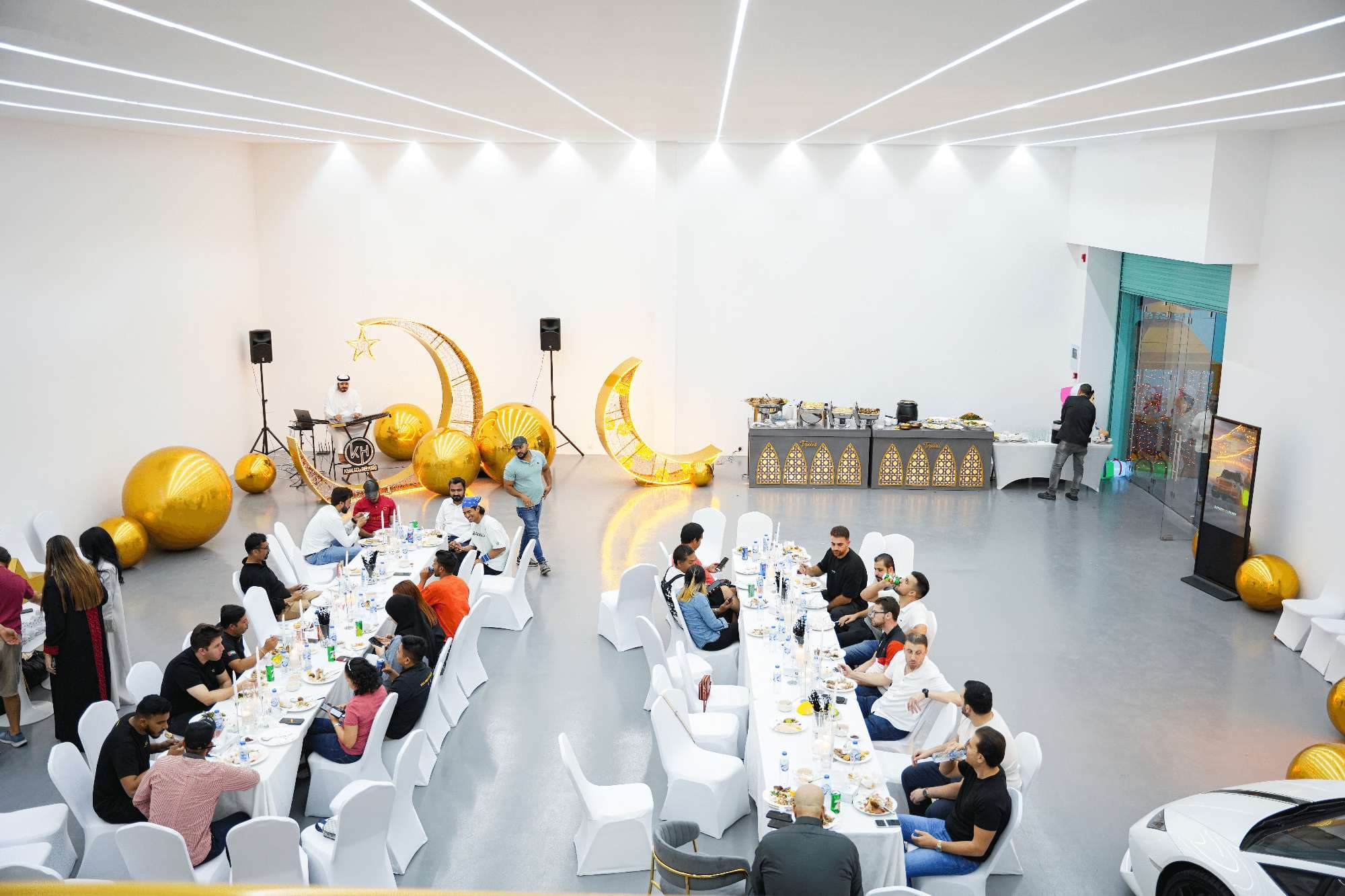
A useful corporate-event plan makes the decisions clear: why you are meeting, who is attending, what needs to happen and who can approve the spending. Start there before choosing decoration or entertainment. A product presentation, networking evening and staff team day need different room layouts and schedules.
Use this checklist to build a brief, compare proposals and prepare the day. The timelines and agenda are planning examples, not fixed booking deadlines or a promise of availability.
Write a one-page event brief
Name one main outcome, such as introducing a product to clients or giving colleagues time to meet across departments. Choose a decision-maker and an on-site contact, then agree how changes will be approved. Share the same brief with the venue, caterer and other suppliers so their quotes cover the same event.
- Event purpose, preferred dates, guest arrival time and finish time.
- Expected attendance, speakers, supplier staff and any access requirements.
- Format: seated presentation, meal, networking, workshop or team activities.
- Budget ceiling, whether it includes VAT, and internal approval deadlines.
- Brand assets, dietary requirements, photography preferences and essential equipment.
Test the venue against your actual layout
Ask for a floor plan that includes seats, tables, presentation space, catering, registration and clear walking routes. A maximum seated capacity does not automatically leave room for a large stage, multiple activity stations or a buffet.
Pampa's main event floor measures 17.5 × 14 metres and has an upstairs café lounge. Its published maximum is 150 standing or 100 seated guests, subject to layout. Confirm which areas your booking includes and whether the route between them suits every guest.
Check arrival directions, parking arrangements, supplier unloading, setup access and collection times during a visit. If your team is booking venue-only hire, ask exactly which furniture, equipment and support are included.
Build the budget from line items
A useful budget follows the event brief rather than a fixed percentage split. A seminar may need more technical support; a networking dinner may put more of the budget into catering. There is no universal allocation that fits both.
Record a quoted amount, an owner and an approval status for each item. Keep a separate allowance for agreed changes, but do not treat it as permission for suppliers to spend without approval. Pampa's corporate events are scoped by enquiry; ask for a proposal for your headcount and schedule.
- Venue and access: hire period, setup, collection and extra-time charges.
- Food and drinks: final guest count, serving format and dietary requirements.
- AV: screens, microphones, connections, rehearsal time and technician support.
- Branding and decoration: dimensions, artwork approvals, installation and removal.
- Activities and people: facilitators, performers, hosts or registration support.
- Other quoted services: photography, transport or valet if required.
- VAT, total payable amount, payment dates and change or cancellation terms.
Confirm AV and branding in enough detail
A venue that supports AV does not necessarily include every screen, microphone or operator you need. Confirm the equipment list, who supplies it and who will test it. Bring the presentation in the agreed format and arrange a check with the actual laptop, audio and display setup.
For branding, approve the artwork, dimensions, positioning and installation method before production. Keep signs readable and clear of access routes. Pampa offers corporate setups with branding and technical support, with options such as screens and a media wall to discuss in the proposal.
Plan activities around participation
For a team day, decide how many people can take part at once and what the others will do. Offer alternatives for colleagues who prefer a different activity level. Allow time for instructions, equipment changes and breaks instead of treating the entire venue booking as activity time.
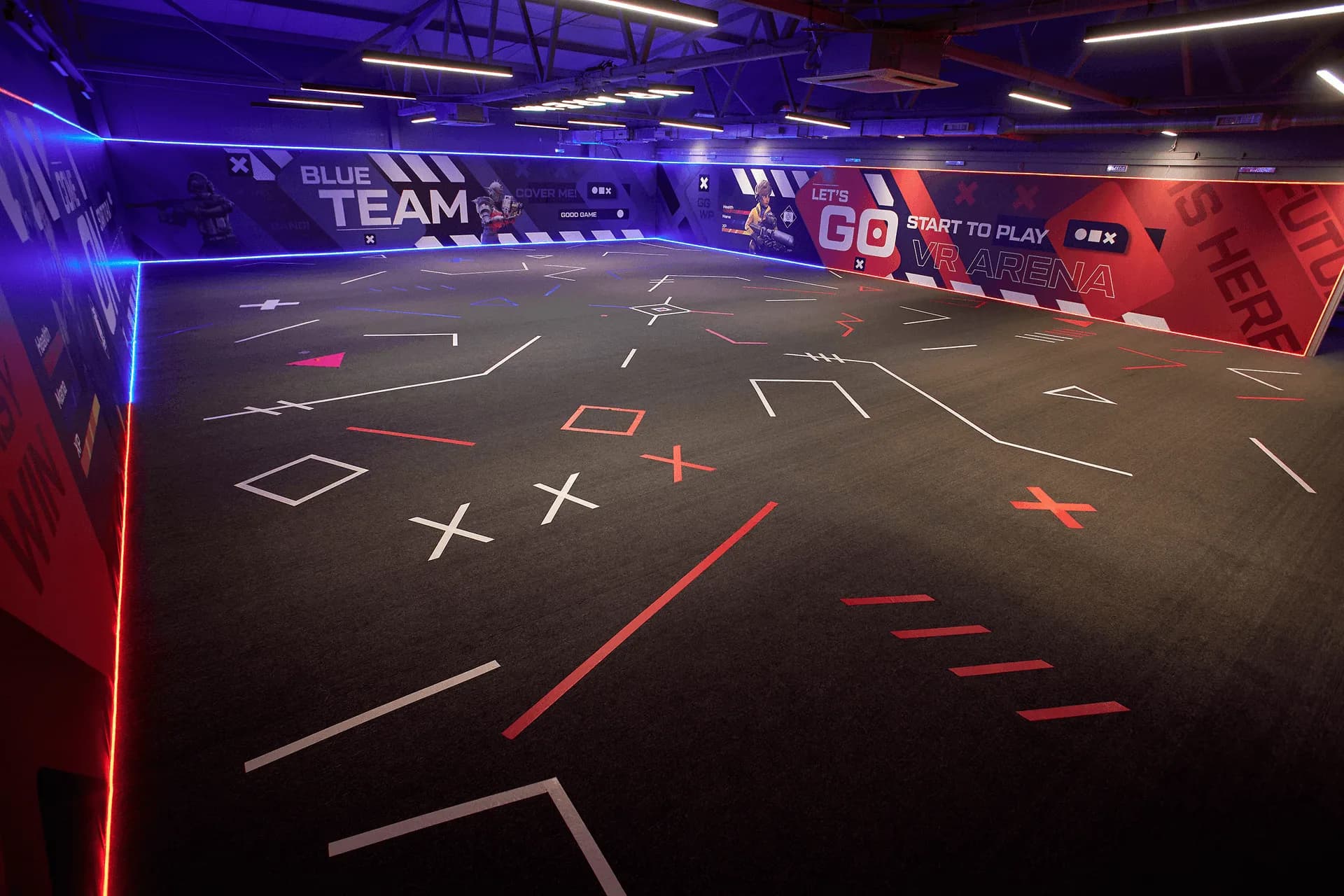
Pampa's free-roam VR arenas list simultaneous limits of ten and six players. A larger corporate group needs an agreed format and quote. Keep the activity plan separate from the wider venue capacity and ask who will facilitate each part.
Compare indoor team-building formats and a rotation example →
A practical planning sequence
Work backwards from the event date and use suppliers' confirmed lead times. The sequence below is a starting point for a planned corporate gathering; a complex launch or a busy date may require more time.
- Six to eight weeks before: approve the brief and budget, check dates, visit shortlisted venues and request comparable proposals.
- Three to four weeks before: confirm suppliers, invite guests, approve the layout and begin artwork and presentation preparation.
- One to two weeks before: update attendance, dietary and access needs; confirm the running order and technical requirements.
- Before the event: meet each supplier's actual final-number and artwork deadlines, share contact details and confirm access times.
- Event day: check the room, test AV, brief the team and name the person who can approve any changes.
An example two-hour networking and presentation event
For a small client gathering, allow 20 minutes for arrivals, 10 for the welcome, 25 for a presentation, 15 for questions, 40 for refreshments and networking, and 10 for closing. That totals 120 minutes. Setup, a technical rehearsal and pack-down need their own agreed access windows outside that guest agenda.
Build a short running order with start time, activity, responsible person and equipment for each stage. Decide how to shorten the programme if a speaker runs late, and keep the venue and catering teams informed.
Close the event and capture what to improve
Agree who signs off the room after collection and checks any approved additional costs. Ask attendees a few focused questions about the format, access and usefulness of the event. Compare the final spend with the approved budget and note what you would change next time.
To start a Pampa proposal, send your preferred date, guest count, event purpose, timing and key equipment needs. The team can discuss the room setup and services before confirming availability and booking terms.